
A Time for Everything: Making Space for Every Emotion
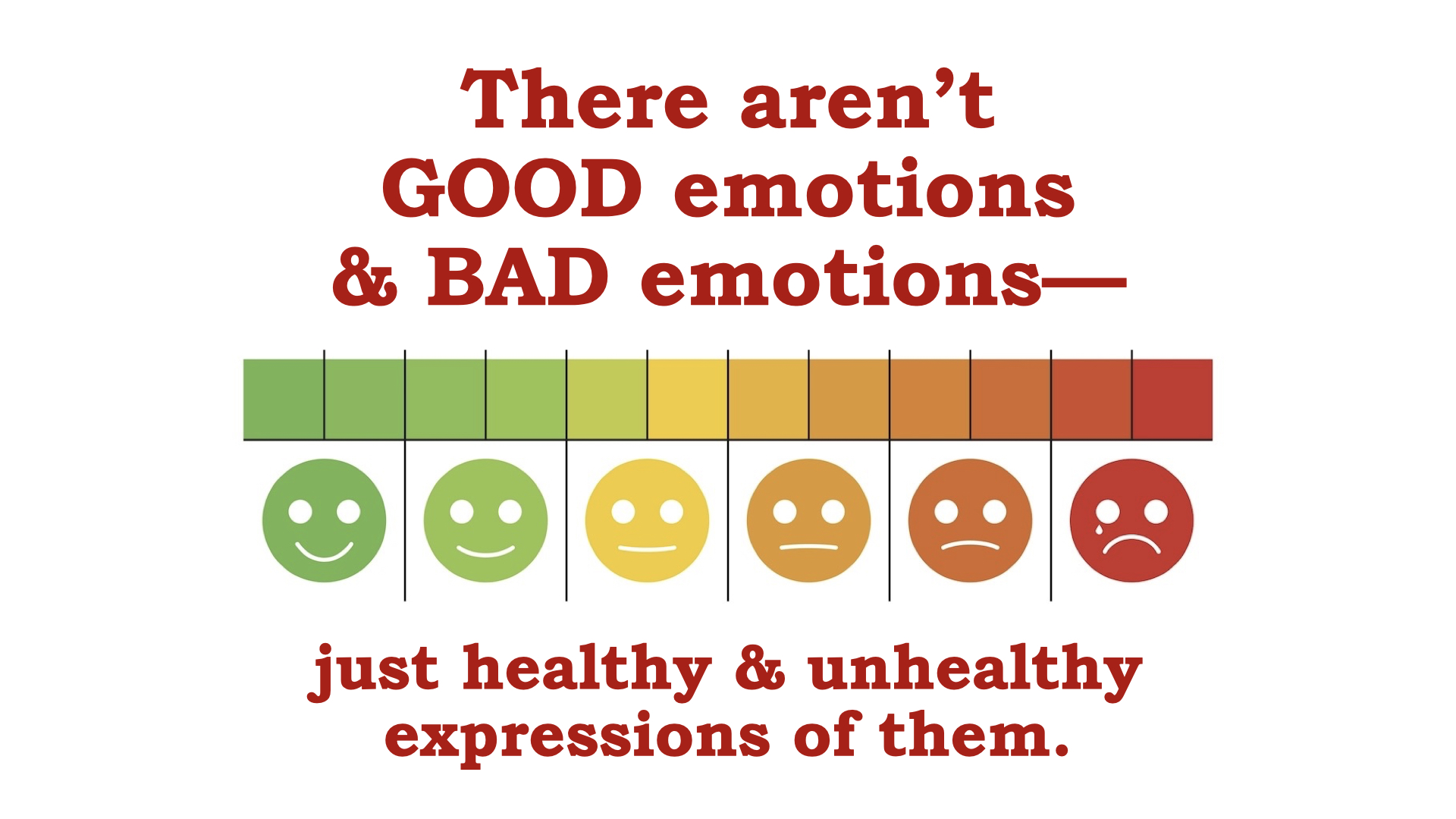
We often divide emotions into two categories: good and bad.
Joy is good. Sadness is bad. Peace is good. Anger is bad. Confidence is good. Fear is bad.
Because of this, many people spend enormous amounts of energy trying to suppress, avoid, or apologize for what they feel. They assume emotional health means remaining positive, calm, and composed at all times.
But Scripture presents a more complete picture.
Ecclesiastes 3 teaches that there is a season for everything—a time to weep and a time to laugh, a time to mourn and a time to dance. In other words, there is a time and place for every emotion.
The goal of emotional health is not to eliminate difficult feelings. It is to recognize them, understand them, and respond to them wisely.
Every Emotion Has a Time and Place
Emotions are part of being human.
They help us recognize what matters, respond to our surroundings, process our experiences, and connect with other people. Even uncomfortable emotions can communicate something important.
- Fear may alert us to danger.
- Anger may reveal that something is unjust or that a boundary has been crossed.
- Sadness may show us that we have lost someone or something meaningful.
- Grief may reflect the depth of our love.
This does not mean every emotional response should control our actions. It does mean that emotions should not automatically be dismissed simply because they are uncomfortable.
When we ignore what we feel, the emotion rarely disappears. It may surface later as irritability, exhaustion, isolation, anxiety, physical tension, unhealthy coping, or disconnection from the people around us.
Acknowledging an emotion gives us the opportunity to understand it before it begins directing our lives from beneath the surface.
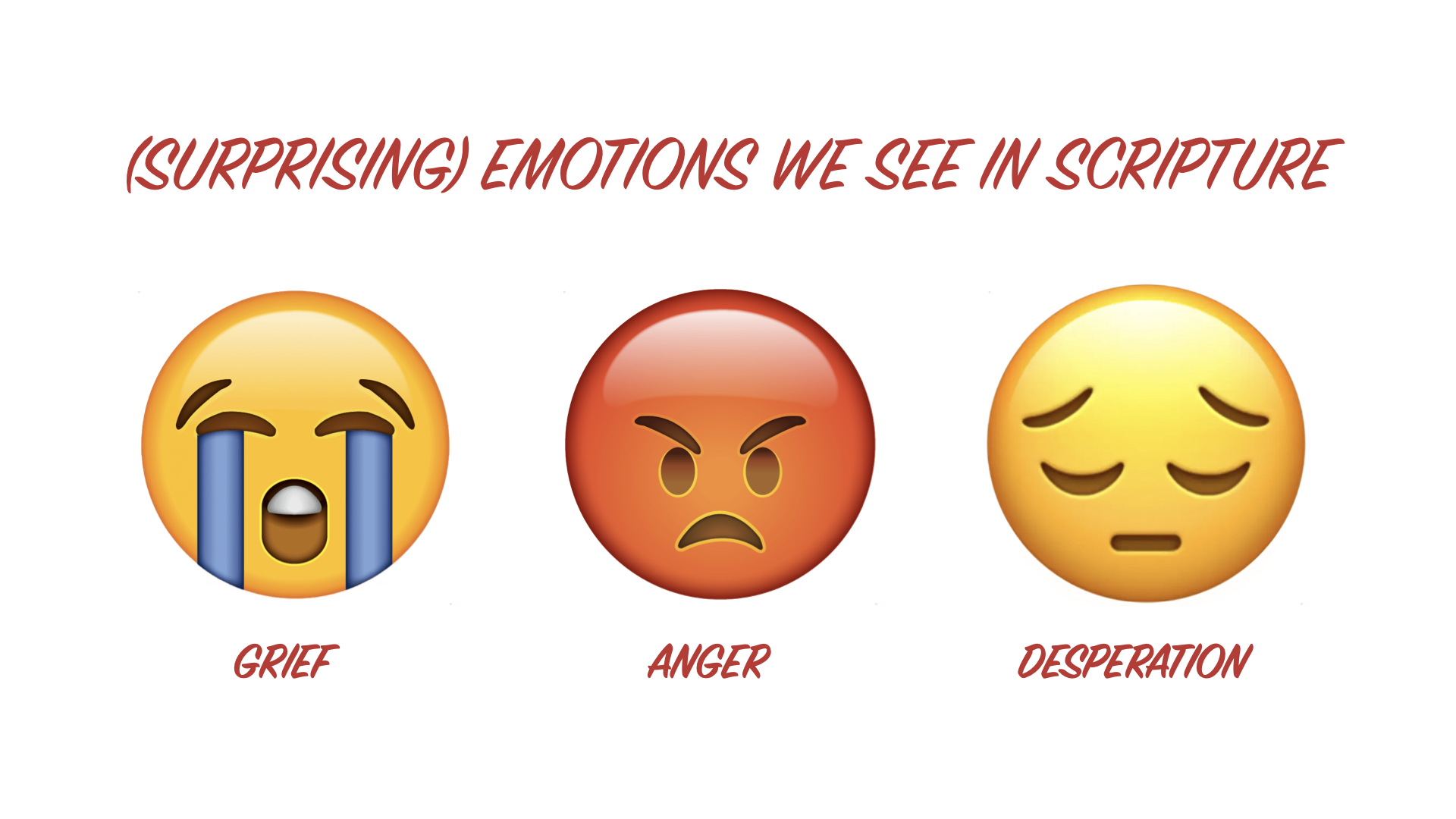
Grief Is Not the Opposite of Faith
Some people believe that strong faith should protect them from sadness.
They may feel guilty when they grieve, become discouraged, or struggle to maintain hope. They assume that tears indicate spiritual weakness or that mourning means they do not trust God.
But the Bible does not teach us to avoid grief.
First Thessalonians 4:13 explains that believers grieve, but not like those who have no hope. The difference is not the absence of sorrow. The difference is that sorrow exists alongside hope.
- We can believe in God’s goodness and still feel pain.
- We can trust His promises and still miss someone deeply.
- We can have hope for the future and still mourn what has been lost.
Faith does not require us to pretend that something did not hurt. Healthy faith allows us to bring our pain honestly before God.
Grief is not evidence that hope has disappeared. In many cases, grief is evidence that something mattered.
Emotional Health Is Part of Whole-Person Health
When people talk about health, they often focus primarily on the body.
We value nutrition, exercise, medical care, rest, and physical strength. These things are important, but physical health is only one part of the human experience.
We also have emotional, relational, mental, and spiritual needs.
Someone may appear physically strong while carrying unresolved grief. Another person may be professionally successful while feeling emotionally numb. A leader may continue caring for everyone else while quietly becoming exhausted, isolated, or overwhelmed.
Whole-person health requires us to consider more than what can be measured during a physical examination.
It includes questions such as:
- How am I processing what I have experienced?
- Am I able to recognize and express what I feel?
- Do I have safe people with whom I can be honest?
- Am I carrying grief, anger, guilt, or fear that I have never addressed?
- How is my emotional condition affecting my relationships and spiritual life?
These questions are not signs of weakness. They are part of caring for the whole person.
Suppression Is Not the Same as Strength
Many veterans, first responders, caregivers, pastors, chaplains, and leaders learn to suppress emotions in order to function.
During an emergency, there may not be time to stop and process everything. Someone has to make decisions, provide care, complete the mission, lead the team, or support the family.
In those moments, compartmentalization can be useful. It allows a person to remain focused when others are depending on them.
The problem develops when temporary suppression becomes a permanent way of life.
A person may become so accustomed to pushing emotions aside that they no longer know how to access them safely. They may assume they are doing well because they are still functioning, even though their relationships, sleep, patience, or overall health are beginning to suffer.
Strength is not the ability to feel nothing.
Strength includes the courage to face what we feel and seek help when the burden becomes too heavy to carry alone.
Emotions Need Guidance, Not Condemnation
Emotions are real, but they are not always reliable instructions.
- Feeling angry does not justify harming someone.
- Feeling afraid does not always mean we are currently unsafe.
- Feeling guilty does not necessarily mean we are guilty.
- Feeling hopeless does not mean that hope is gone.
We should neither worship our emotions nor condemn ourselves for having them. Instead, we can learn to examine them.
Consider asking:
- What triggered this feeling?
- Is it connected to what is happening now, or is something from the past being activated?
- What does this emotion seem to be communicating?
- What would a healthy response look like?
- Do I need rest, prayer, a conversation, professional guidance, reconciliation, or a stronger boundary?
Emotional maturity is not reacting impulsively to every feeling. It is learning to listen carefully, respond thoughtfully, and bring our emotions under wise direction.
Making Room for the Season You Are In
There is a time to laugh and a time to cry.
There is a time to celebrate and a time to grieve.
There is a time to move forward and a time to stop long enough to acknowledge what has happened.
We create unnecessary shame when we demand that every season feel the same.
Someone walking through loss should not be expected to behave as though nothing changed. Someone recovering from trauma may need more time, patience, and support than others understand. Someone carrying years of accumulated stress may not be able to simply “get over it” because they have been told to remain positive.
Healing begins when we tell the truth about the season we are in.
That honesty allows us to receive the kind of care the moment actually requires.
Hope Can Exist in Every Season
There is a time and place for every emotion, but no emotion has to become our permanent identity.
- Sadness is real, but it does not define the entire future.
- Anger may reveal a wound, but it does not have to control our relationships.
- Fear may be understandable, but it does not have to make every decision.
- Grief may remain part of our story, but it can exist alongside faith, gratitude, connection, and hope.
Emotional health does not mean feeling happy all the time. It means becoming increasingly able to recognize, process, and respond to the full range of human experience.
There is a time for everything.
Whatever season you are walking through today, you do not have to deny it, rush it, or carry it alone. Healing begins when we make room for honesty—and allow hope to meet us there.